

Glassie Farm Rewilding 25-26
There’s something exciting happening at Glassie Farm near Aberfeldy. What was once largely pastureland for sheep is slowly, thoughtfully being transformed into a place where wildlife can move, settle, and thrive again and where people can come along for the journey too.
This latest phase of work, supported by the PKC Nature Restoration Fund, builds on years of effort to make the land richer in nature and more welcoming to the community. The vision is a simple one, but powerful: to turn 100 acres into a connected, diverse landscape full of life.
This phase of the project funded a range of hands-on habitat restoration works, including:
- Preparation of the meadow using low-impact “natural rotavation” by grazing pigs, avoiding machinery and chemicals
- Wildflower meadow creation, including sowing yellow rattle and a diverse seed mix of over 50 species
- Planting of locally appropriate wildflowers and plug plants to support pollinators and butterflies
- Creation of species-specific habitat, including food plants for butterflies such as Northern Brown Argus, orange tip and fritillaries
- Installation of leaky dams in burns to slow water flow and create more varied wet habitats
- Burn restoration works, including reshaping and infilling channels to improve ecological function
- Digging of new ponds in naturally wet areas to increase water retention and support aquatic life
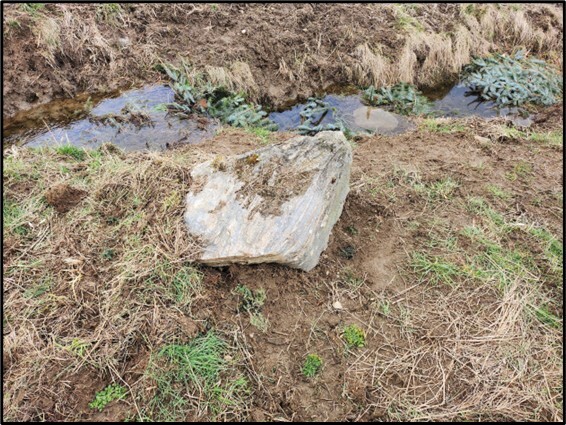
- Creation of habitat piles using stone and deadwood to provide shelter for insects and small animals
- Planting of riparian vegetation to stabilise soils and support wetland biodiversity
- Introduction of native shrubs and trees (e.g. hawthorn, blackthorn, aspen) to add structure and shelter
- Use of locally sourced plant translocations to strengthen local genetic diversity
Not long ago, the Northern Brown Argus butterfly was recorded on the farm for the first time. That discovery has helped shape the restoration work, with efforts focused on planting rock rose - the butterfly’s food plant - and creating the right conditions for it to breed and expand. It’s a reminder of how quickly nature can respond when given the chance, and how a single sighting can spark something much bigger.
Water plays its part in the story too. The site already includes burns, wet patches, and a natural spring, all of which are being enhanced to support a wider range of species. These damp areas are particularly valuable for insects and amphibians, providing places to feed, lay eggs, and shelter. Alongside this, ponds created in earlier phases help slow the flow of water through the land, reducing runoff while adding yet more habitat. It’s a good example of how restoring nature can also support climate resilience.
Volunteers have already played a role in earlier planting and habitat work, and partnerships with organisations like Butterfly Conservation are helping guide monitoring and future improvements. There’s also a steady involvement from schools and community groups, with visits that turn the farm into an outdoor classroom.
Importantly, this space isn’t being closed off as it becomes wilder. Paths have been widened and maintained, benches placed at viewpoints, and people are actively encouraged to walk and cycle through the site. The aim isn’t just to restore nature, but to make it something that people can experience directly - whether that’s spotting butterflies on a summer walk or just enjoying a quieter, greener landscape.
It’s not a sudden transformation, and it’s not meant to be. This is the kind of change that happens slowly, paying attention to what works. But little by little, the difference is there to see. The land is getting richer, busier, and more alive each year.
COMMENTS
Other Blogs
Denmarkfield Downriver 25-26
Rewilding Denmarkfield has been undertaking nature restoration across the farmland, with support fro ...
Marybank Farm Pond Expansion 25-26
Marybank Farm has been undertaking nature restoration across the farmland, with support from PKC's N ...

New tree nursery in Pitlochry
Tayside Woodland Partnership have established a new tree nursery through help from the PKC Nature Re ...

River Earn Invasive Species Control
The River Earn Improvement Association, supported by Perth & Kinross Council's Nature Restoratio ...

Bamff Wildland Restoration
Bamff Wildland removed nearly 5km of fencing to reconnect habitats, support natural grazing, and boo ...

Alt Eigheach Habitat Improvements Project Phase 2
Learn about the Nature Restoration Fund works carried out by Rannoch and District Angling Club. ...

Glassie Bike Park Rewilding
Glassie Bike Park has been creating new habitat in the form of ponds, scrapes, and butterfly banks, ...

Keltneyburn Meadow and Pond Enhancement
Learn about the work undertaken to restore habitats at Keltneyburn SSSI. ...

Puddles for Puddocks Round 4
Learn about the work undertaken to enhance SuDS ponds across Perth and Kinross. ...

Nature Restoration Fund Reopens in Perth and Kinross
Grants are available to support projects that boost biodiversity across Perth and Kinross. There is ...

Local Communities Invited to Help Shape Nature Networks in Perth and Kinross
Join our upcoming nature networks mapping sessions ...

Alt Eigheach Habitat Improvements Project
Learn about the nature restoration funded works carried out by Rannoch and District Angling Club. ...

Errol Village Nature Restoration Project
Learn about the nature restoration funded works carried out by Carse of Gowrie Group (SCIO) & Fr ...

Comrie Croft Wild Connections
Learn about the nature restoration funded works carried out by Comrie Croft. ...

The Lunan Burn and Clunie Loch Catchment Restoration Project
The Lunan Burn and Clunie Loch Catchment Restoration Project is dedicated to enhancing water quality ...

Birds, Bees, Bogs, and Frogs: Creating a Safe Corridor for Nature
Learn about the Birds, Bees, Bogs, and Frogs project, enhancing urban biodiversity by establishing v ...

Boosting Biodiversity at Denmarkfield
Rewilding Denmarkfield has been undertaking nature restoration across the farmland, with support fro ...

Marybank Farm Habitat Restoration: Enhancing Biodiversity on Farmland
Marybank Farm has been undertaking nature restoration across the farmland, with support from PKC's N ...

Glassie Bike Park Rewilding Phase 2
Glassie Bike Park has been undertaking a dedicated native tree planting initiative, with support fro ...

Braes of Alyth: Wild Cores & Corridors
The Braes of Alyth project focuses on enhancing biodiversity by removing invasive Rhododendron ponti ...

Dunkeld Riverbank Restoration
Learn about the Dunkeld Riverbank Restoration project - eradicating invasive species and planting na ...

Kinross Rain Gardens Trail Project: Enhancing Biodiversity and Connectivity
Discover how the Kinross Rain Gardens Trail Project enhances local biodiversity through vital habita ...

Kettins Biodiversity Conservation Project
Kettins Biodiversity Conservation Project transformed local greenspace into thriving meadows and wet ...


Nature Market 2024
In June 2024, a summer market was held to celebrate how we can all help nature. Local businesses, co ...

Neighbourhood Ecosystem Funding
Learn more about the new Neighbourhood Ecosystem Fund which is now open for applications ...

New Tree Planting Guidance for Communities
Perth and Kinross Council have recently created new guidance for community tree planting. This guida ...

Managed for Wildlife Trials Volunteering Opportunity 2023
Do you want to play a part in monitoring biodiversity? Perth & Kinross Council are currently nat ...

SuDS Pond Enhancement
Learn about the work undertaken to enhance five SuDS ponds across Perth and Kinross. ...

Dun Coillich Wetlands
Find out more on how Highland Perthshire Communities Land Trust have been improving their existing w ...

Rannoch and Tummel Firepit and Scorch Mark Restoration
Thanks to PKC Nature Restoration Funding, Loch Rannoch Conservation Association were able to restore ...

Rewild my School
Learn about the variety of work Luncarty Primary School have been undertaking to rewild their school ...

Rewilding Comrie
Learn about the variety of work Comrie Primary School have been undertaking to rewild their school g ...

TREE-MENDOUS LEARNING IN PERTHSHIRE
Perthshire, home of Big Tree Country, is known and loved for its wonderful trees. From the Tay Fores ...
"Nature on your Doorstep" photography competition
Perth & Kinross Council's social media competition ...

21 Days of Nature Challenge
Get involved with the 21 days of Nature Challenge throughout August. Over the course of 3 weeks ther ...
Managed for Wildlife Trials Volunteering Opportunity
Do you want to play a part in monitoring biodiversity? Perth & Kinross Council are currently nat ...
Managed for Wildlife Trials Volunteering Opportunity
Do you want to play a part in monitoring biodiversity? Perth & Kinross Council are currently nat ...

New Tree Planting Guidance for Schools
Perth & Kinross Council have recently created new guidance for tree planting in schools. This gu ...

Nature Calls - Bin The Wipes
Scotland is being urged to bin all wipes – and ban wipes containing plastic - in a major new campaig ...

Managed for Wildlife Trials Consultation
On the 7th February 2022, Perth & Kinross Council's Community Greenspace Team launched the ‘Mana ...

The Perth Nature & Biodiversity Conference
In December 2019, the Perth City Leadership Forum (PCLP) held a conference to discover how Perth mig ...

COP26 Student Art Competition
Perth & Kinross Council launched a drawing and sculpture competition for all students who live o ...